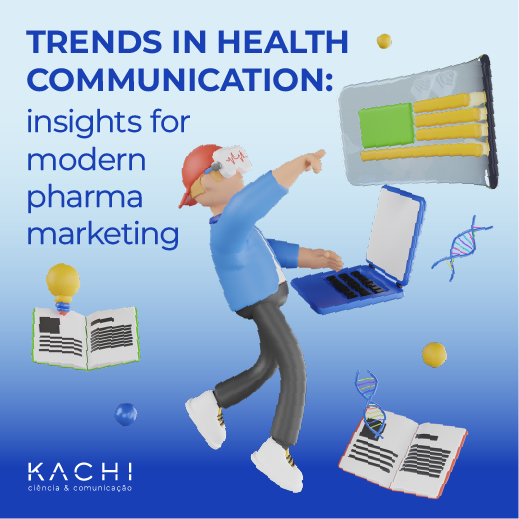
Scientific communication is undergoing constant transformation—and professionals in pharmaceutical and healthcare marketing need to evolve with it. Staying ahead means adopting more engaging language, embracing innovative tools, and continuously measuring impact.1
Even before the COVID-19 pandemic, healthcare professionals and patients were already changing how they accessed and consumed information. The pandemic accelerated this shift, driving widespread adoption of digital technologies and virtual channels. As a result, new and more dynamic models of sharing medical and scientific updates have emerged, alongside an exponential growth in available content.1
This article explores how pharmaceutical companies and healthcare organizations can harness these changes—leveraging digital strategies to enhance communication, engage medical audiences more effectively, and reshape the way data and evidence are presented.1
Is It Time to Rethink How We Communicate Science in Pharma?
Pharmaceutical companies have long played a central role in disseminating scientific information—sharing data from global clinical trials, systematic reviews, and continuous medical education. These traditional formats remain essential and grounded in scientific rigor, including:1
- Peer-reviewed publications in respected journals
- Oral presentations and posters at medical congresses
However, while these formats are credible, they often lack the speed, interactivity, and visual appeal that today’s audiences expect.1
To keep pace with rapidly evolving communication habits, pharma marketers can draw inspiration from other industries that have successfully embraced digital transformation, leveraging approaches such as:1
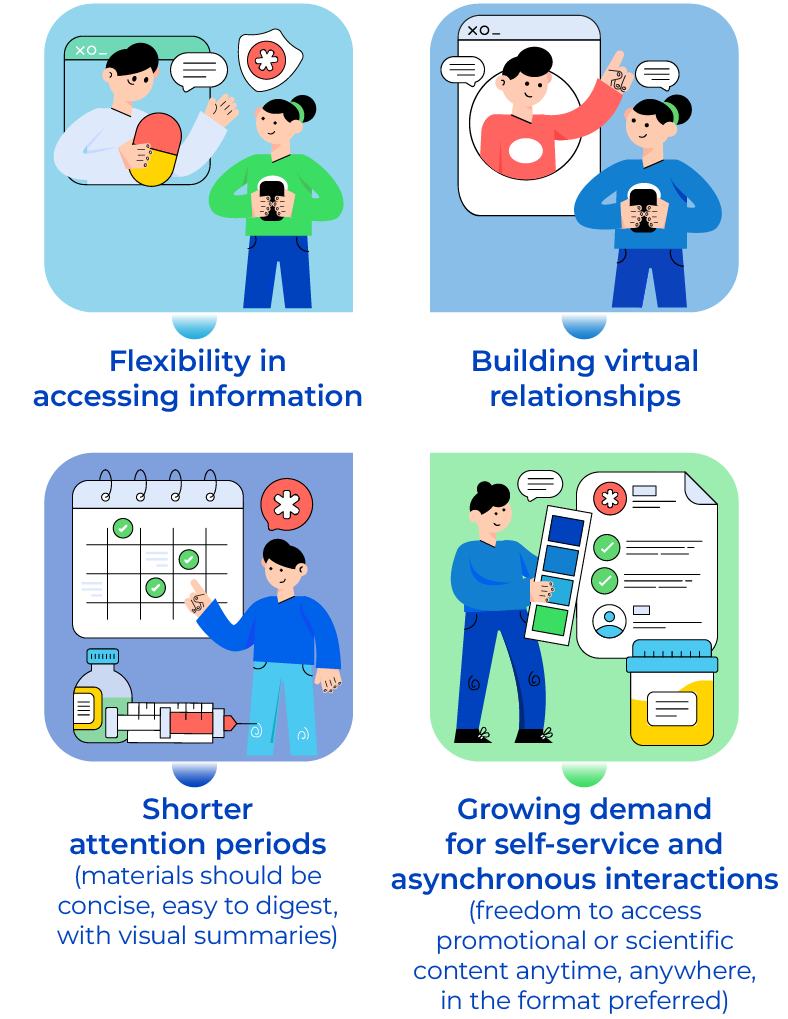
Building on this momentum, the field of medical communications has introduced its own innovations, adopting new formats and tools that bring greater clarity, accessibility, and engagement. These include:1,2
-
- Communication models that empower healthcare professionals as active, autonomous participants
- Content strategies that prioritize relevant, real-world value over brand-centric messages
- Visually rich formats like infographics and animated explainers (GIFs, short-form videos)
- Digital posters and video abstracts
- Microlearning resources like video lectures (5–15 minutes), offering concise, expert-led reviews on relevant clinical topics
- Videocasts with commentary from peer physicians
- Virtual events with broad reach
- Hybrid models that blend in-person and online interactions
- Integrated omnichannel approaches that deliver content where, when, and how HCPs prefer
These innovations don’t just modernize communication—they also improve knowledge retention, support clinical decision-making, and strengthen the relationship between pharma and the medical community.
Communication Models: From “Push” to “Pull”
Pharmaceutical marketing is moving away from the traditional “push” model—where static information is delivered unilaterally—toward a more dynamic “pull” approach. In this new paradigm, healthcare professionals actively seek and choose the information that fits their needs and interests.1
To succeed in this landscape, content must be engaging, interactive, and above all, user-centered. That means rethinking conventional formats and adopting solutions that are:1
- Modular, concise, and easy to navigate – allowing HCPs to explore topics in smaller, digestible segments
- Mobile-optimized – ensuring seamless access across devices and platforms
- On-demand – enabling self-service access whenever and wherever it’s most convenient
- Tailored – delivering practical, actionable insights aligned with each professional’s clinical role and context
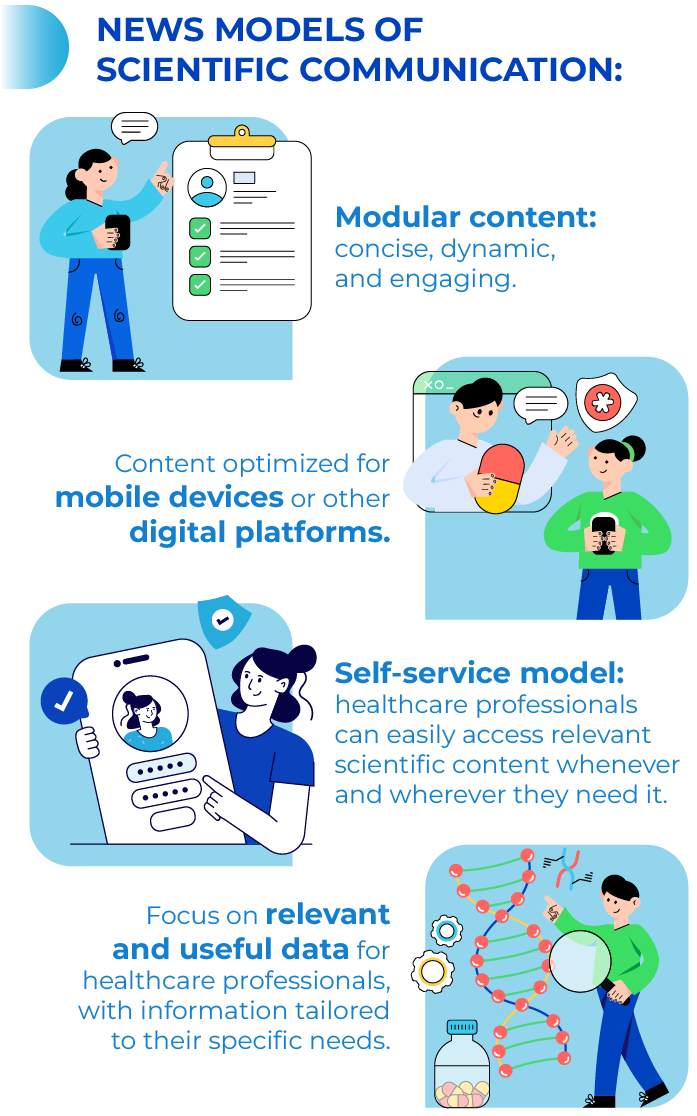
This shift transforms the role of pharmaceutical companies: from broadcasters of static messages to enablers of continuous learning. By offering useful, easily accessible resources, pharma builds more authentic, voluntary, and long-term engagement with the medical community.1
The Omnichannel Approach
The rapid expansion of digital channels and social media has redefined how content is created, delivered, and consumed. For pharmaceutical marketers, this means more than simply going digital—it requires building personalized, integrated experiences across multiple touchpoints.1
Omnichannel strategies are gaining momentum as they offer the flexibility and reach needed to meet healthcare professionals where they are—both online and offline. Core principles of an effective omnichannel approach include:1
- Designing personalized experiences based on behavioral data, preferences, and clinical interests
- Delivering content in the formats and platforms most relevant to the HCP’s journey—whether via email, rep-triggered content, mobile, webinars, podcasts, or in-person visits
- Refreshing content continuously—not only in message but also in format and distribution channel
- Integrating analytics to understand which channels are most effective for different types of information and audiences
This approach goes beyond simply having a digital presence. It’s about orchestrating cohesive interactions that are customer-centric, data-driven, and seamlessly connected across all platforms—bringing together the best of both online and offline worlds.1
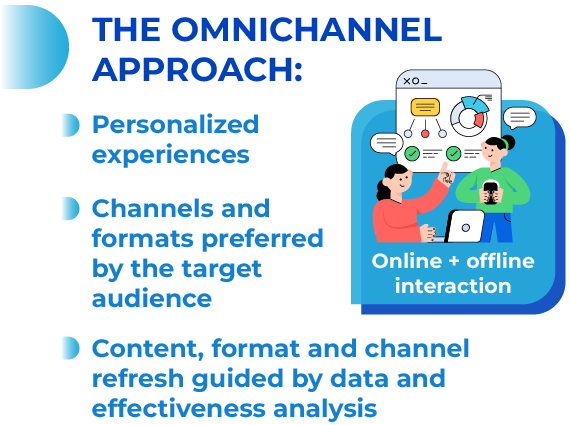
By blending the strengths of digital and traditional channels, pharma companies can sustain engagement over time—offering real value, fostering trust, and reinforcing scientific leadership.2
Emerging Trends in Engagement
To drive meaningful engagement in today’s environment, scientific content must do more than inform—it must connect. That means delivering information that is not only accurate, but also relevant, timely, and tailored to the specific needs of each stakeholder.1
Borrowing from the principles of precision medicine, pharmaceutical marketing is evolving toward precision communication: the right message, to the right professional, at the right moment.1
From One-Size-Fits-All to Tailored Scientific Engagement
While traditional materials have often taken a one-size-fits-all approach, the new standard is role-specific content, designed to support real-world clinical decisions. The same product may serve multiple audiences—each with unique informational needs:1
- Physicians look for robust data on efficacy, safety, and long-term outcomes
- Pharmacists focus on mechanisms of action, drug interactions, indications, and therapeutic positioning, always with an eye toward ensuring safe and rational use of medicines
- Nurses require clarity on preparation, administration, and patient management
- Patients and caregivers need simplified, empathetic explanations that support understanding and adherence
Naturally, there is considerable overlap among these roles, especially in today’s increasingly interdisciplinary healthcare environment, where collaboration and shared decision-making are essential.
Replacing static formats with flexible, modular content allows for a more personal and practical experience—one that fits naturally into each professional’s workflow.1
Elevating Relevance: What Makes Scientific Content Worth the Attention
Healthcare professionals are overwhelmed by a constant flow of medical updates, promotional materials, and clinical alerts. In this context, earning their attention—and their trust—requires more than scientific accuracy. Content must demonstrate immediate relevance and support their real-world decisions.2
The most effective scientific materials tend to share a few essential characteristics:2
- Grounded in clinical relevance, addressing real challenges faced in daily practice
- Clear and well-structured, avoiding unnecessary jargon without oversimplifying evidence
- Tailored to the audience, aligning with the HCP’s specialty, role, and patient population
- Easily accessible, available on-demand across devices and platforms
- Trustworthy and free of marketing overtones, allowing the science to speak for itself
In short: content must respect the HCP’s time, intelligence, and clinical priorities.2
Inside the Mind of the HCP: What Today’s Physicians Actually Want
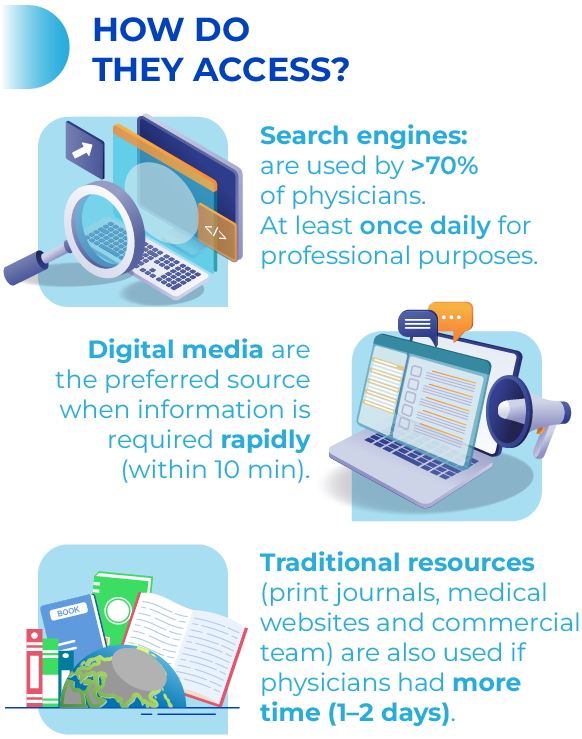
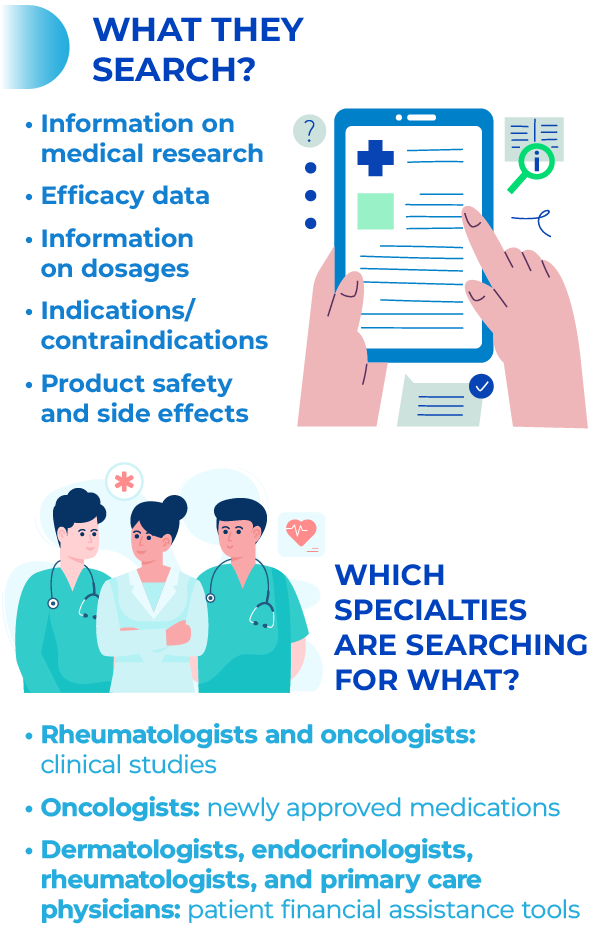
Recent surveys and behavioral data confirm what many have already observed: physicians are selective in what they read—and even more selective in what they trust. They prefer content that is:3
- Evidence-based and up to date
- Concise and easy to digest
- Accessible through preferred channels
- Complementary to peer discussions or expert commentary
Conclusion
New technologies and evolving digital behaviors have reshaped the landscape of healthcare communication.¹ his transformation opens the door for pharmaceutical companies to deliver scientific content that is more dynamic, relevant, and human-centered.³
What does effective medical communication look like today?
- Being present across multiple environments—one-on-one and one-to-many, both online and offline.
- Moving beyond data dumps to highlight key clinical insights and practical applications.
- Providing practical, actionable information that supports continuous learning and access to cutting-edge data.
- Understanding healthcare systems, the patient journey, and the specific responsibilities of each healthcare professional to address their unique informational needs.
Pharma marketing is no longer just about informing. It’s about connecting—with clarity, with purpose, and with empathy.1
Achieving this level of engagement often requires new ways of working: more collaboration across teams, new partner models, and a shared commitment to scientific integrity. At KACHI, we’re here to help you navigate this shift.
Let’s build a smarter, more meaningful approach to scientific communication—together.
How to cite this article:
KACHI. Trends in Health Communication: Insights for Modern Pharma Marketing. São Paulo: KACHI Scientific Communication, 02 Jun. 2025. Available at: https://www.kachi.com.br/en/trends-in-health-communication-insights-for-modern-pharma-marketing.
References:
- Power EGM. Considerations for Effective Communication of Medical Information. Pharmaceut Med 2023;37(2):97–101.
- Furtner D, Shinde SP, Singh M, Wong CH, Setia S. Digital Transformation in Medical Affairs Sparked by the Pandemic: Insights and Learnings from COVID-19 Era and Beyond. Pharmaceut Med 2022;36(1):1–10.
- Krendyukov A, Nasy D. Evolving Communication with Healthcare Professionals in the Pharmaceutical Space: Current Trends and Future Perspectives. Pharmaceut Med 2020;34(4):247–56